
Recipes That Work on a Kiwi Budget
Step-by-step plates using supermarket staples, with notes on fibre, protein, and how to store leftovers safely.
Overnight oats with seasonal fruit
Combine 1/2 cup rolled oats with 3/4 cup milk or yoghurt in a jar. Add a spoon of chia seeds if you have them—they absorb liquid and add omega-3 ALA. Refrigerate overnight. In the morning, top with sliced banana or frozen berries warmed briefly in the microwave.
Why it helps: Oats provide beta-glucan, a soluble fibre found in many balanced eating patterns. Fruit adds potassium and natural sweetness when portions stay moderate. This is general nutrition information, not advice for managing a medical condition.
- Mix oats and liquid in a sealed jar.
- Add cinnamon or a dash of vanilla for flavour without sugar.
- Refrigerate at least six hours; eat cold or warmed.
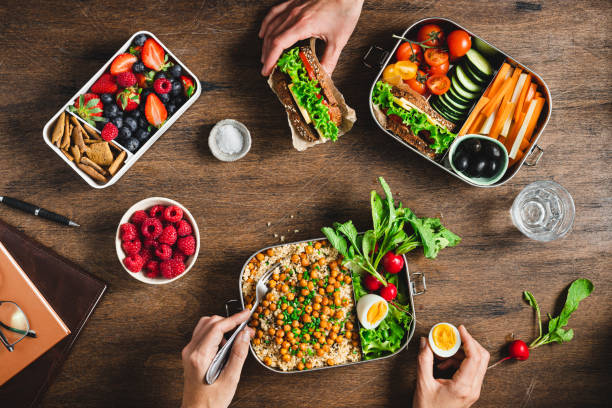
Chickpea and vegetable curry
Sauté one diced onion in a little oil until soft. Stir in two teaspoons curry powder and a crushed garlic clove. Add one drained can chickpeas, one can chopped tomatoes, and two cups frozen mixed vegetables. Simmer fifteen minutes. Serve over microwaved brown rice or with wholemeal naan.
Why it helps: Legumes provide plant protein and fermentable fibre that feeds beneficial gut bacteria. Tomatoes offer lycopene, which absorption studies suggest increases when tomatoes are cooked with a small amount of fat. Batch cook and freeze portions in labelled containers for mid-week dinners.
Swap spinach or silverbeet in the last two minutes for extra folate and colour.
Tuna and kumara lunch bowl
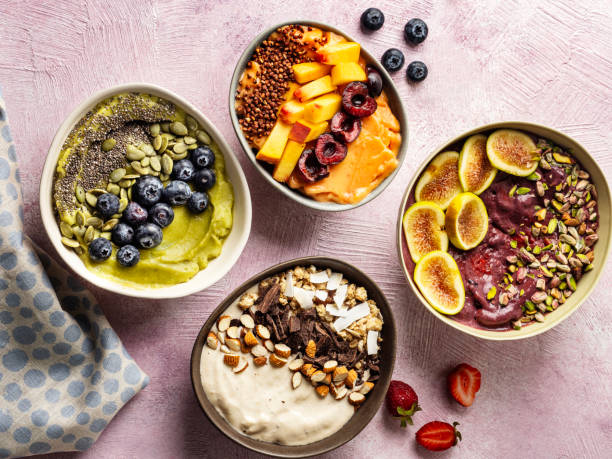
Roast cubed kumara at 200°C for twenty-five minutes with olive oil and paprika. Cool slightly, then layer in a bowl with drained tinned tuna, cooked brown rice, shredded cabbage, and a drizzle of lemon juice or yoghurt dressing.
Why it helps: Combining fish protein with starchy vegetables and whole grains keeps you satisfied through the afternoon. Kumara offers vitamin A precursors; cabbage adds crunch and vitamin C, which aids iron absorption from plant foods when eaten in the same meal.
One-pan egg and vegetable scramble
Whisk four eggs with a splash of milk. In a non-stick pan, soften leftover roasted vegetables or frozen stir-fry mix. Pour in eggs and stir gently until just set. Fold through grated cheese if desired and serve on toast.
Why it helps: Eggs are a complete protein source and cook quickly, making this ideal for evenings when time is short. Using leftovers reduces waste—a direct saving on your food budget. Keep cooked egg dishes refrigerated and eat within two days.
FAQs
Can I reduce sodium in these recipes?
Yes. Rinse canned beans and choose no-added-salt tomatoes where available. Build flavour with herbs, citrus, and spices instead of extra salt.
How long do cooked meals last in the fridge?
Most cooked rice and protein dishes are best within two to three days stored below 5°C. Reheat until piping hot. Freeze curry bases without rice for up to three months.
Are these recipes suitable for children?
Yes, though adjust spice levels and cut firm vegetables into safe sizes. Always supervise young children around hot stoves and sharp knives.