Oats
Steel-cut or rolled; soak overnight for creamy porridge without constant stirring.

Concrete product picks, storage tips, and nutrition notes for everyday Kiwi shopping.
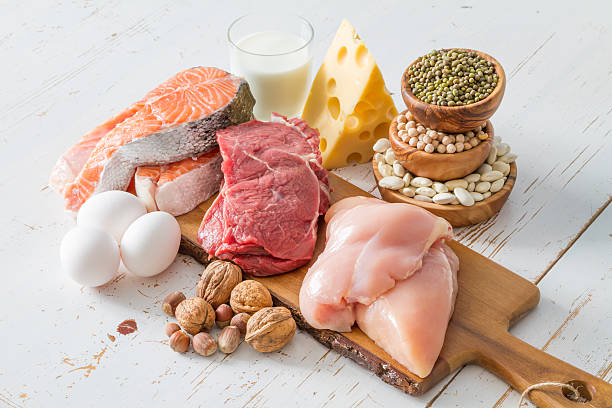
Protein often takes the largest slice of a grocery bill, yet several NZ staples deliver plenty per dollar. Tinned salmon and sardines (look for MSC labels) provide omega-3 fats and calcium from soft bones. Rinse if sodium is a concern, then flake into salads or potato cakes.
Chicken thighs frequently cost less than breast fillets and stay moist when baked or slow-cooked. Remove skin if you prefer lower saturated fat, but keep it on during cooking for flavour, then discard before serving.
Lentils and split peas need no soaking for red varieties and cook in twenty minutes. One cup dry yields multiple servings of dhal or soup. Combine with rice or bread for a satisfying plant-based plate.
Brown rice, rolled oats, and wholemeal pasta cost slightly more than white versions but offer more fibre per dollar when you compare satiety. A 1.5 kg bag of oats can cover breakfasts for weeks. Store opened packs in airtight containers to deter pantry moths common in humid North Island summers.
House-brand wholegrain wraps freeze well separated by baking paper. Defrost one at a time for lunches. For gluten-free households, check the Health Star Rating and fibre grams per serve—some GF products are low in fibre unless based on legumes or brown rice.
Steel-cut or rolled; soak overnight for creamy porridge without constant stirring.
Batch cook on Sunday; toss with frozen peas and soy for quick fried rice.
Pair with canned tomato and garlic; add chickpeas for extra protein.

In summer, capsicum, courgette, and berries appear at friendlier prices. Winter favours brassicas—cauliflower, cabbage, and broccoli—which roast well with olive oil and cumin. Kumara stores for weeks in a cool dark place; orange varieties are rich in beta-carotene.
Apples and pears from Central Otago hold well in the crisper. Wash just before eating. For salad greens, spin dry after washing and line containers with paper towel to prevent slimy leaves mid-week.
Frozen berries are excellent in smoothies when fresh punnets spike in price. Compare per-100 g on the label before assuming fresh is cheaper.
Standard milk remains one of the most cost-effective calcium sources in NZ. For lactose sensitivity, long-life lactose-free milk often goes on promotion. Natural yoghurt tubs beat single-serve pots on unit price—portion into jars with fruit.
Plant milks vary widely in protein. Soy and pea blends usually offer more per cup than almond or rice drinks. Check added sugars; plain unsweetened versions blend better in savoury cooking.
Cheese is energy-dense—a little grated on top of nachos or pasta goes far. Grate blocks yourself rather than buying pre-shredded bags with anti-caking agents.
When stocking budget staples, rotate tinned goods so older cans move to the front. Dent sharply on seams may indicate compromised seals—discard those items. Thaw frozen meat in the fridge overnight, never on the bench. Wash reusable shopping bags regularly, especially after carrying raw proteins.
General information here does not replace advice from registered health professionals. If you notice adverse reactions to specific foods, stop eating them and seek appropriate clinical guidance.
Learn to compare Health Star Ratings, sodium, and fibre on NZ packaging without spending hours in the aisle.
Roasting brassicas and making hearty soups from affordable seasonal vegetables.